
Wear-resistant Nickel and Cobalt Alloys for Hydro Power
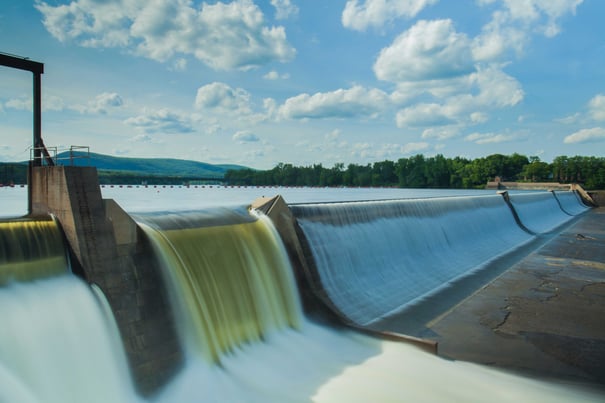
“How Nickel and Cobalt Alloys Protect Hydropower Equipment from Cavitation”
How Nickel and Cobalt Alloys Protect Hydropower Equipment from Cavitation
Hydropower systems operate in some of the most demanding environments – constant high-pressure water flow, turbulence, and extreme wear conditions. One of the biggest challenges in these systems is cavitation, a damaging phenomenon that can rapidly degrade critical components.
To combat this, Wall Colmonoy has developed advanced wear-resistant nickel and cobalt alloys, including Colmonoy® Wallex®, specifically engineering to protect hydropower equipment and extend service life.
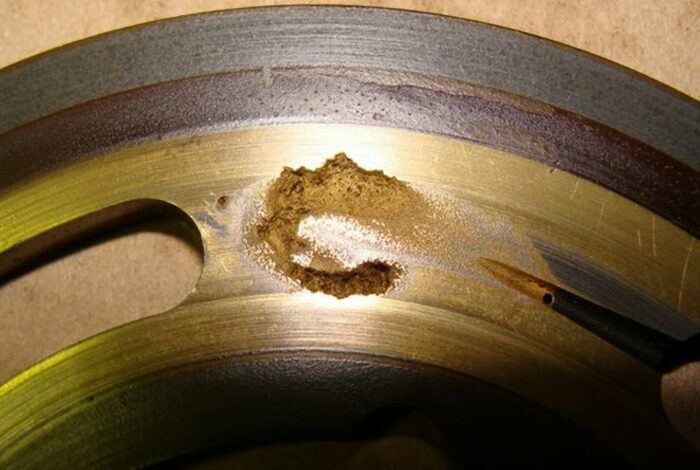
Cavitation on a valve plate used within the hydro industry
What is Cavitation – and Why Does It Matter?
Cavitation occurs when liquid pressure drops below its vapor pressure, forming tiny vapor bubbles. When these bubbles collapse, they create intense shock waves that strike metal surfaces.
In hydropower applications, this happens constantly on components such as:
- Impellers
- Rotors
- Stators
- Cones
- Seats
- Valve Plates
Over time, cavitation leads to pitting, erosion, and ultimately component failure – resulting in costly repairs and downtime.
The Role of Wear-Resistant Alloys in Hydropower
Protecting equipment from cavitation requires materials that can withstand both mechanical impact and corrosive environments. That’s where hardfacing alloys come in.
Wall Colmonoy’s nickel-based Colmonoy® alloys and cobalt-based Wallex® alloys are designed to deliver superior resistance to:
- Cavitation erosion
- Abrasion
- Corrosion
- High-Pressure water impact
Two Proven Solutions
Colmonoy® 88: Built for Extreme Wear
Colmonoy® 88 is a high-performance nickel-based alloy engineering for the toughest conditions.
What makes it stand out?
- Unique bi- and tri-metallic borides and carbides
- High hardness (Rockwell C 59–64)
- Excellent resistance to cavitation and erosion
It’s especially effective for components exposed to intense wear and is commonly applied using spray and fuse techniques.
Wallex® 6: Reliable Cobalt-Based Protection
Wallex® 6 is a trusted cobalt-based alloy widely used in hydropower applications.
Key benefits include:
- Strong corrosion resistance
- Excellent wear and cavitation resistance
- Proven performance in high-impact environments
It’s often specified for components like cones and is typically applied using PTA or laser cladding, making it ideal for automated processes
Matching the Alloy to the Application
Not all hydropower components are the same—and neither are the best application methods.
- Round components (cones, rings, seats)
→ Best suited for Wallex® 6 using PTA or laser cladding - Complex shapes (impellers, rotors, stators)
→ Better suited for Colmonoy® alloys (88, 62, 69) using spray and fuse
Choosing the right combination ensures maximum protection and performance.
Common Hydropower Applications
Wall Colmonoy alloys are used to protect a wide range of components, including:
- Cones
- Impellers
- Rotors
- Seats
- Stators
- Valve plates
Application Methods that Deliver Results
Depending on the component and alloy, several proven hardfacing methods are used:
- Spray & Fuse (Spraywelder™ or Fusewelder™)
- PTA
- Laser Cladding
Each method provides a durable, wear-resistant surface designed to withstand harsh operating conditions.
In Summary
Cavitation is unavoidable in hydropower—but damage doesn’t have to be.
By using wear-resistant nickel and cobalt alloys like Colmonoy® and Wallex®, operators can:
- Extend equipment life
- Reduce maintenance costs
- Improve overall system reliability
Investing in the right materials and application methods is key to keeping hydropower systems running efficiently for the long term.